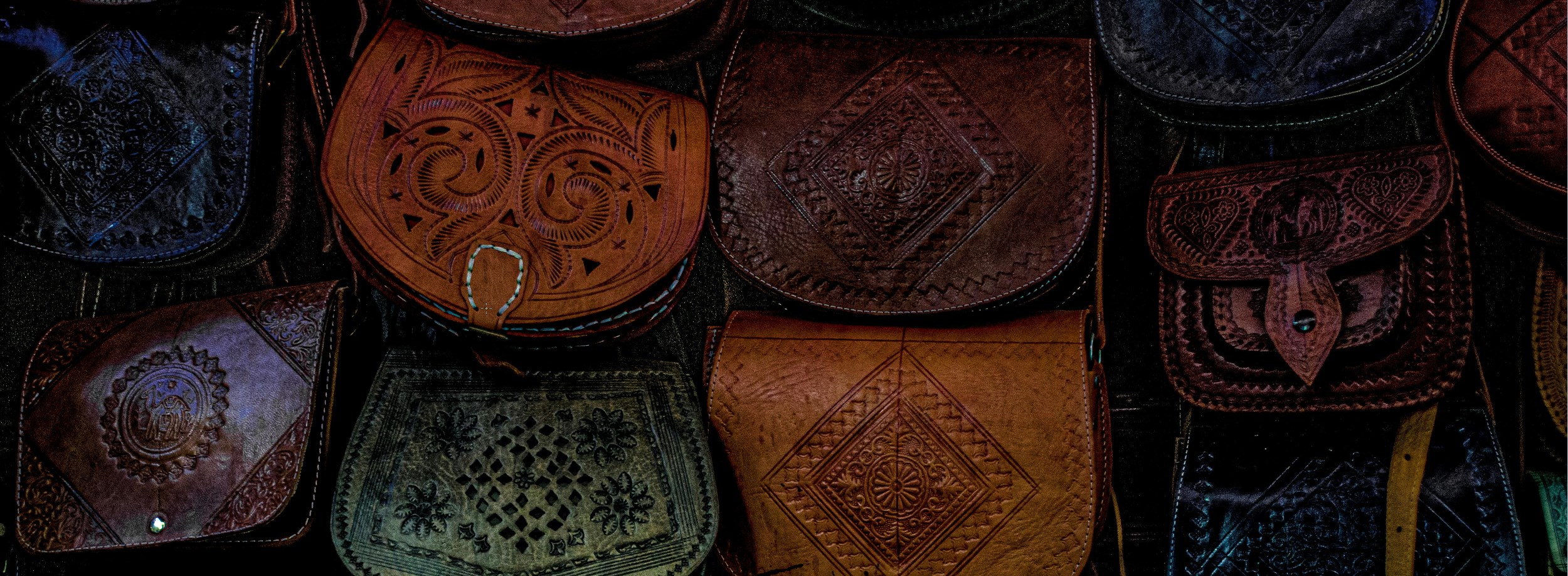
Heritage · Seraji craft · Shahrekord
Cheap custom leather, made by hand
Long before factory lines, Iranian artisans turned raw hide into leather that could outlast a lifetime. That knowledge—tanning by hand, stitching by hand—still defines every piece we make in our workshop today.
Seraji leatherwork was once among Persia’s proudest arts: ornament, utility, and patience woven into every cut. War and time dimmed it; our family works to keep it alive for the next generation.
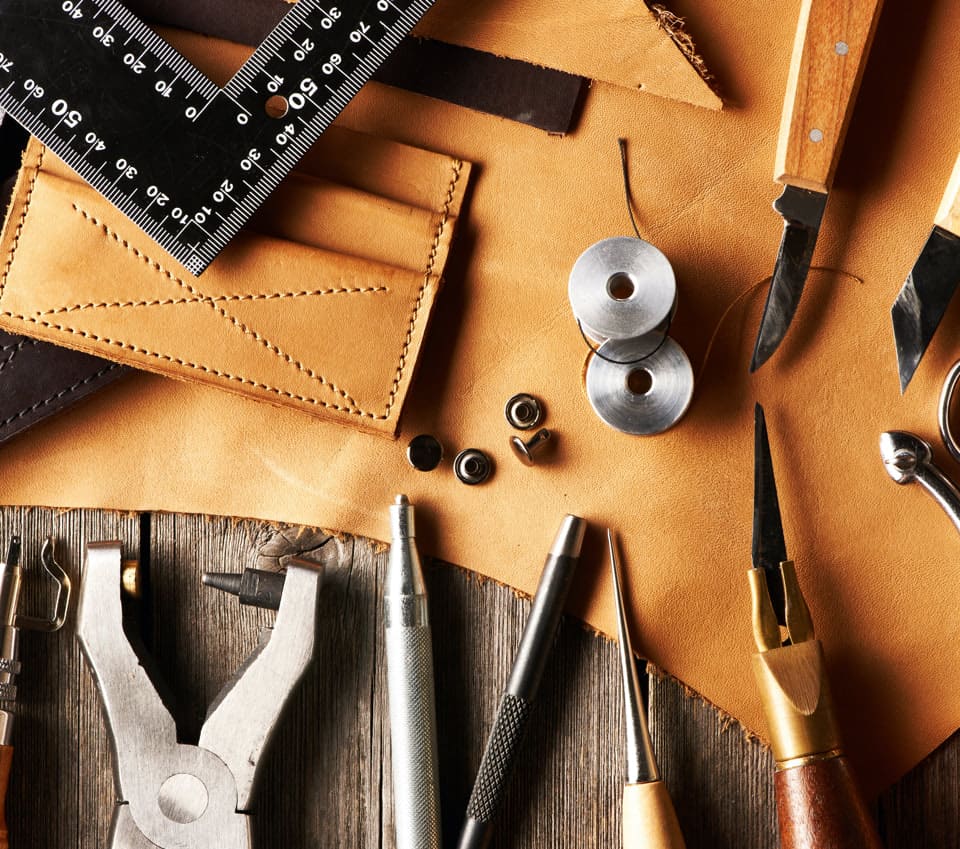
Traditional tannery, not factory leather
Fresh hide is fragile. Through traditional tanning—slow, manual, and deliberate—it becomes stable leather that keeps its character for decades. We do not rely on industrial shortcuts for the work we stand behind.
Seraji art once flourished across Iran, from Tabriz and Shiraz to Hamedan and beyond. Animal husbandry and skin preparation were part of daily life; tanners learned to buy, cure, and finish hides through methods passed mouth to ear, not machine to machine.
What you hold should feel like it was always meant to exist—because it was made that way on purpose.
See how we tan and sew by hand →What sets Iranian craft apart
-
Eleven stages of tanning
From raw hide to workable leather, each skin moves through careful steps—only then is it ready for cutting and seraji stitching.
-
Seraji, revived
An Iranian decorative leather tradition nearly lost to conflict and time, practiced again with the same pride as centuries ago.
-
Roots in Shahrekord
Our workshop in Shahrekord ties modern orders to Central Iran’s leather heritage—where craft and community still meet.
-
Zero to one hundred by hand
Pattern, cut, and stitch: no thick machine wheels. Hand sewing lasts longer, and every order can be your size and color.
Hide becomes leather.
Leather becomes legacy.
Traditional tanning · Seraji ornament · Entirely hand-finished
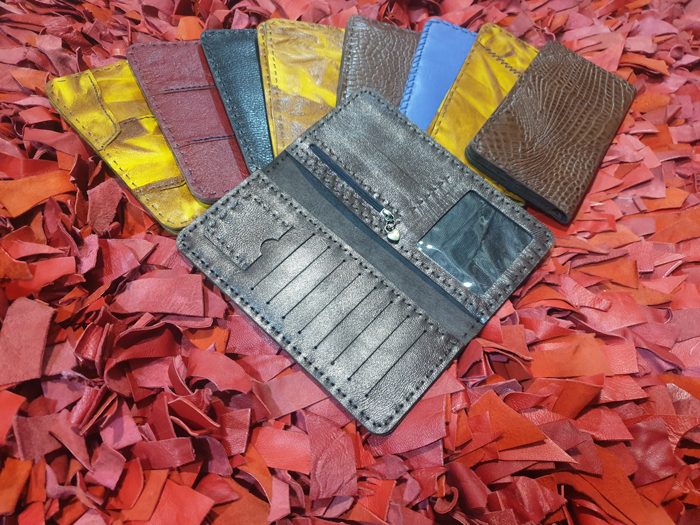
Made for you, not from a catalog
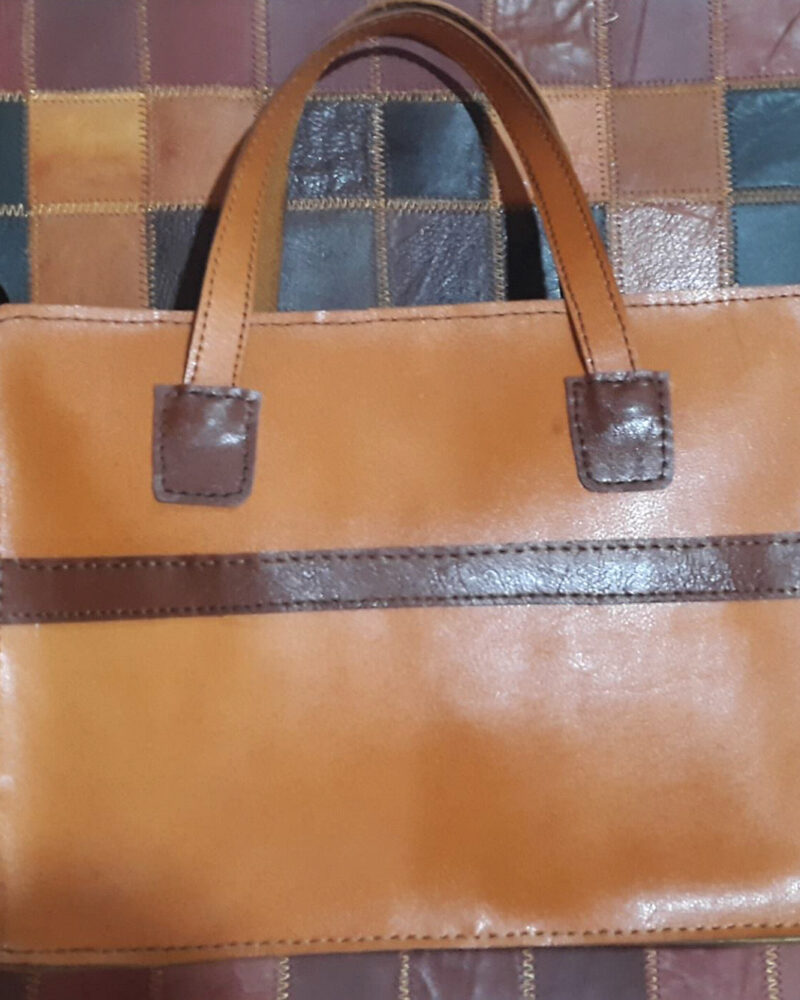
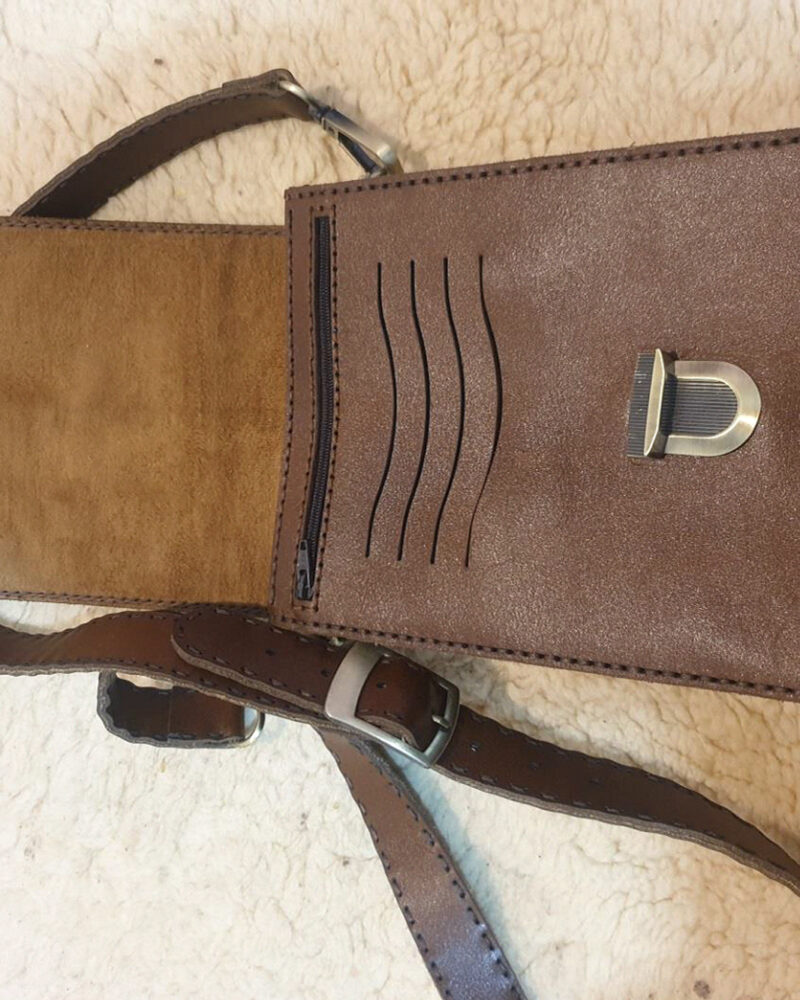
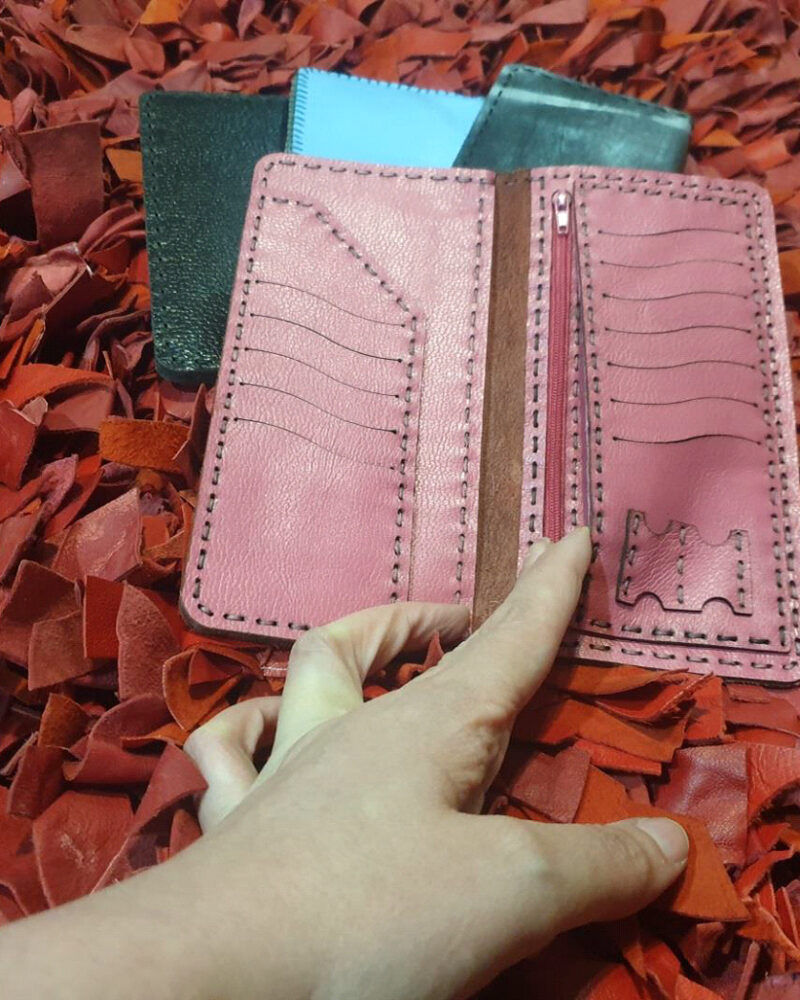
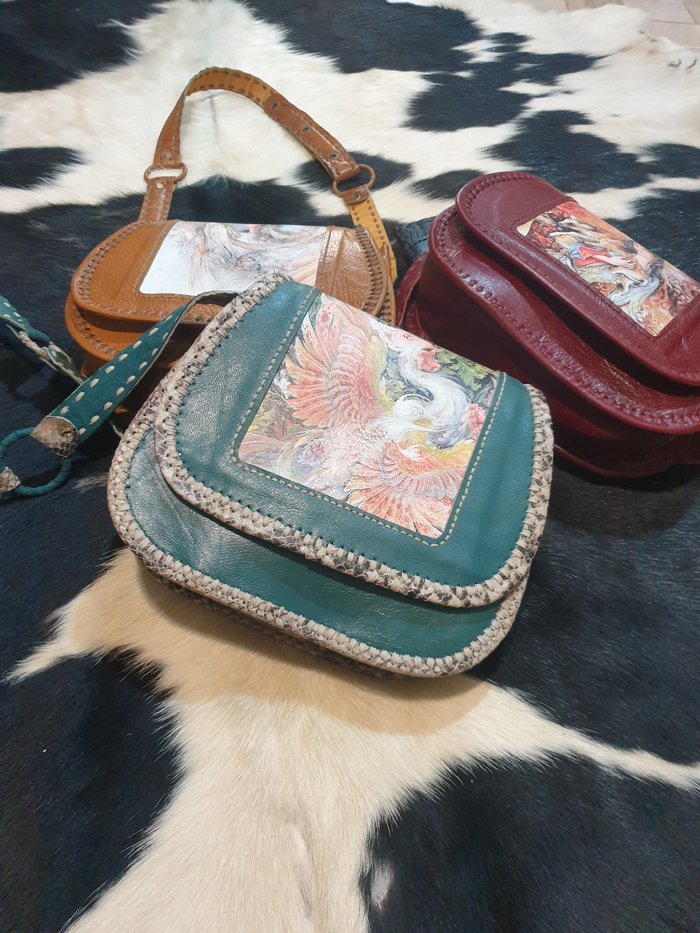
Send a photo and your measurements—we design the pattern, cut the leather, and sew each seam by hand. You receive a single piece with no duplicate sample: a walking bag with pockets placed where you need them, a two-tone tote in honey and dark brown cowhide, or a compact handbag with slots for cards and phone.
That flexibility is the point of seraji work: ornament and structure chosen for one owner, not a production run. Stitches stay closed because they were placed by an artisan who could adjust tension stitch by stitch.
Order custom leather handbags →Continue exploring

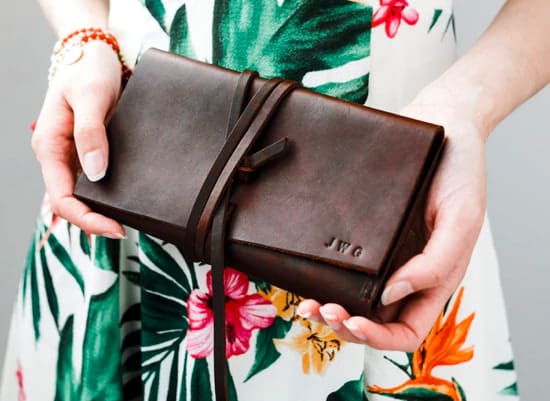
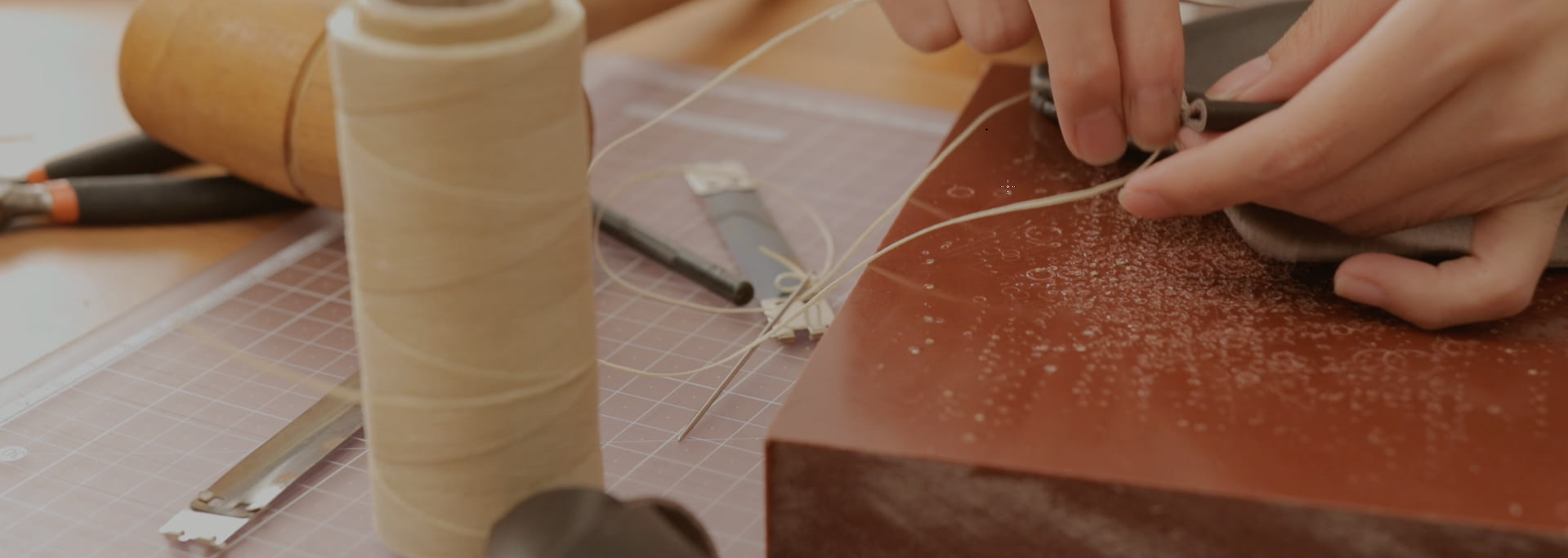
Craft & finished work
A glimpse of heritage textures and hand-finished leather—each piece made as a single job.
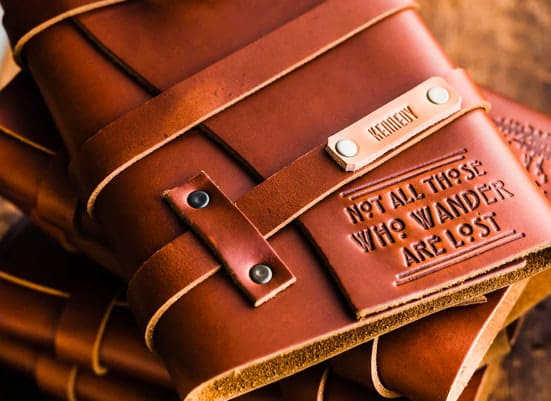

Bring Iranian craft into your daily carry
Tell us what you need—dimensions, leather tone, and use—and we will build it by hand in Shahrekord tradition.